
1. A Little Throwback: When Wapbald Ruled Old Mobile Internet
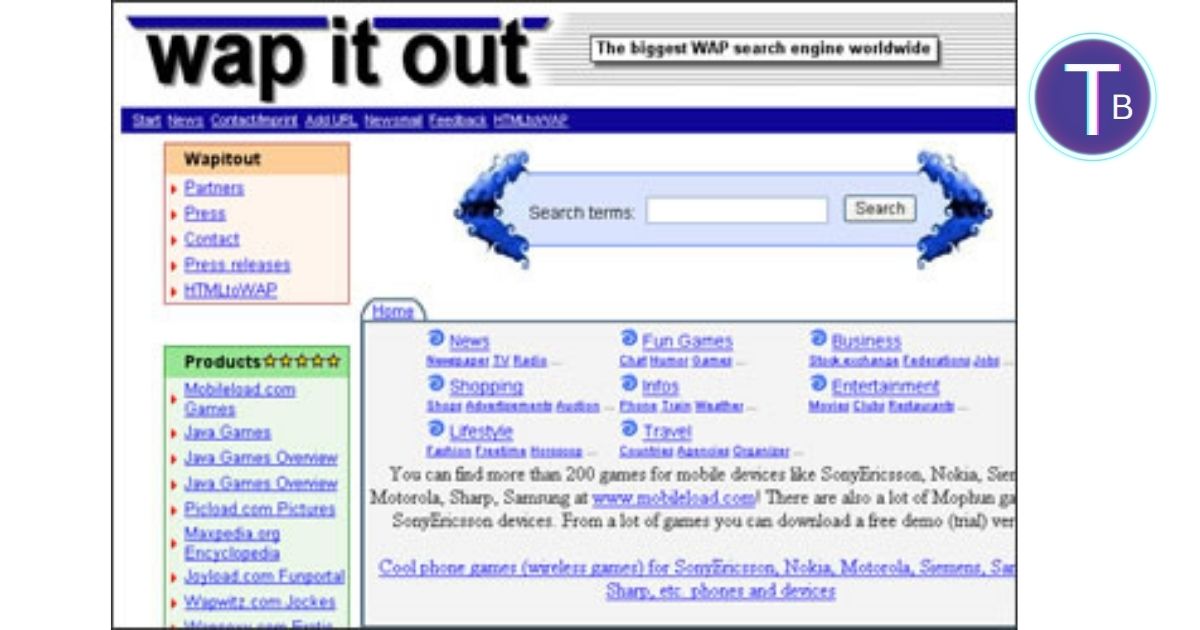
Honestly, if you ever used a keypad phone in the early 2000s, you probably remember that tiny thrill of opening your browser and typing in a WAP link. Back then, the internet wasn’t this smooth, high-speed experience we enjoy today. It was slow, pixelated, and kind of unpredictable — but honestly, that was part of the charm. And right in the middle of that era stood Wapbald, one of the most popular WAP sites for downloading ringtones, wallpapers, MP3s, and short video clips.
This was the time before smartphones, before YouTube became a household name, before Spotify playlists, and way before cloud streaming changed everything. Early mobile users depended on lightweight mobile websites, also known as WAP-based entertainment platforms, because they worked even on the most basic feature phones. No apps, no fancy UI — just simple menus, fast-loading links, and tiny file sizes that actually fit into those 2MB or 8MB memory cards.
What’s wild is how Wapbald-style websites shaped the way people consumed digital content. Whether someone wanted a new mobile wallpaper, a funny audio clip, a romantic ringtone, or a small Java game, these sites made it ridiculously easy — even on slow GPRS/EDGE internet. It felt almost magical to download a 300 KB ringtone and show it off to friends, especially when everyone was still getting used to the idea of having the internet in their pocket.
In a lot of ways, Wapbald was the pre-streaming era’s YouTube, Zedge, and TikTok combined — just in a very compact form. Its whole purpose was simple: give users entertainment without draining data or requiring a powerful device. That’s why so many people still feel nostalgic about it today.
Looking back, you can see that platforms like Wapbald weren’t just websites — they were a part of early mobile internet culture, teaching us what quick access, personalization, and digital fun really meant. And honestly, they paved the way for everything we now take for granted in modern digital entertainment.
2. What Made Wapbald Special Back Then (In Simple Words)
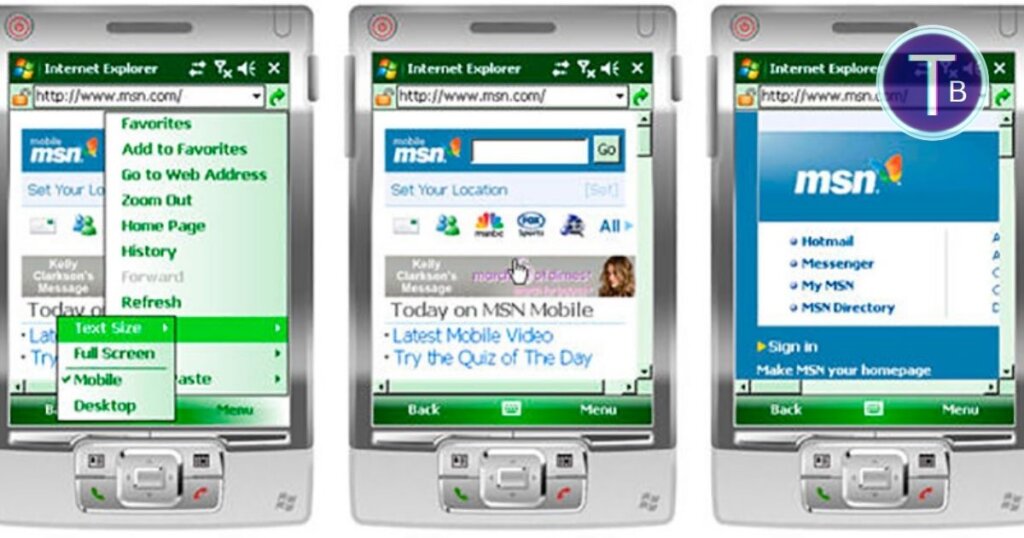
Honestly, Wapbald felt like a mini-treasure box on those old 2G phones. It wasn’t fancy, but it gave us exactly what we wanted without eating all our balance.
• Simple, Light Content
Wapbald mostly offered small stuff — like ringtones, short music clips, wallpapers, tiny games, and themes. Nothing heavy, nothing complicated. Just the fun bits we all loved customizing our phones with.
• Perfect for Slow 2G Internet
Back then, even loading a single image felt like it took forever. But Wapbald’s pages were super lightweight — plain text, tiny files, no big images. That’s why the site opened quickly even on those old Nokia/Samsung browsers.
• Felt Exciting Because It Was “New”
So basically, in an era where the internet itself felt magical, WAP sites like Wapbald gave us a place to explore, download, and personalize things for free. Even finding a new ringtone felt like discovering something really cool.
3. The Real Magic Behind Wapbald: How It Worked on Tiny Phones
Honestly, it still feels wild how fast Wapbald used to open on those tiny old phones. Those devices had almost no power, no storage, and 2G internet… but Wapbald still ran smoothly like it was nothing.
• WAP Pages (Basically Super-Light Websites)
Wapbald didn’t use heavy images or fancy layouts. It ran on WAP pages — just simple text and tiny icons. So even a basic Nokia with a tiny screen could open the site without struggling.
• Super-Compressed Files
Most downloads were small: super-compressed ringtones, mini wallpapers, and lightweight games. That’s why even a 50 KB file felt like a “big download” back then — and it still downloaded in a few seconds.
• Why It Loaded Instantly
Because the website didn’t carry extra baggage. No ads, no pop-ups, no JavaScript — just clean, quick content. So even on slow 2G, pages appeared almost instantly.
• Made for Small Screens
Everything on Wapbald was designed for those tiny 1.8-inch or 2-inch screens. Simple links, clean menus, and easy navigation — nothing that overloaded the phone.
So basically, the real magic was how smartly everything was stripped down. And honestly, looking back, it still feels surprising how smooth it all felt on those old-school devices.
4. Why People Got Addicted to It (The Human Side)
Honestly, the real reason Wapbald got so popular wasn’t the features — it was the feeling it gave. Those tiny downloads made people feel weirdly powerful on their small phones.
• That Feeling of Freedom
Back then, downloading anything on a phone felt like a big deal. And Wapbald made it super easy — no sign-ups, no waiting, no confusing steps. You just clicked a link and boom… ringtone downloaded. That little freedom felt amazing.
• Zero Ads, Zero Clutter — Just Peace
Most WAP sites were messy, but Wapbald felt clean. No annoying pop-ups or weird banners. Just simple menus. It almost felt like the site respected your time (which is rare even today).
• Everything in One Place
Ringtones? Check.
Games? Check.
Wallpapers, videos, themes? All in one spot.
So basically, people didn’t have to jump from site to site. Wapbald became that “default” place everyone opened whenever they wanted something new.
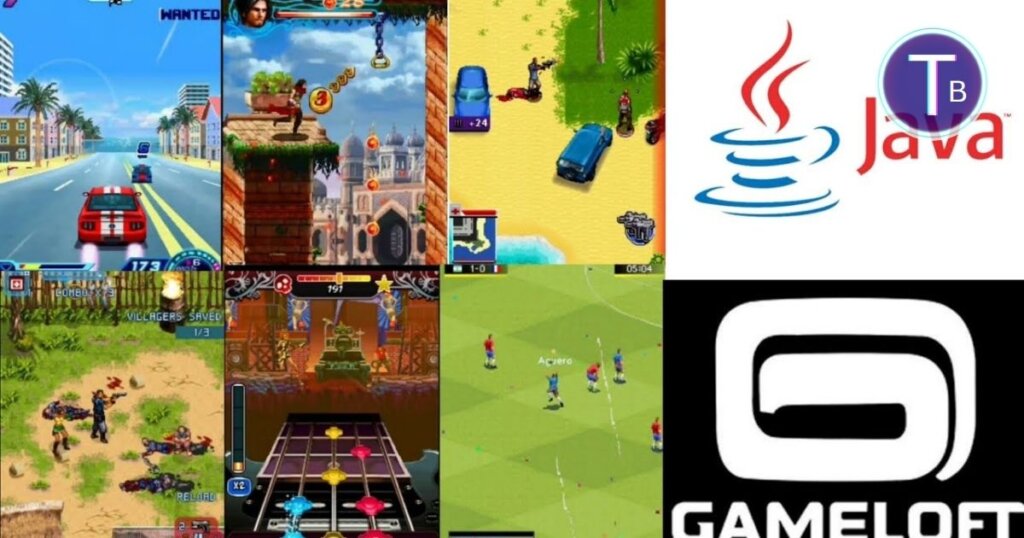
• The Fun Stuff We All Loved
People mostly used it to grab the cool things of that era:
- catchy ringtones
- small Java games
- tiny video clips
- phone themes
- wallpapers of celebrities, cars, cartoons
Even a new ringtone felt like a personality upgrade back then.
So yeah… people weren’t just using Wapbald — they were enjoying it. It made those simple old phones feel personal and fun.
5. The Slow End: What Really Killed Wapbald (Not Just Smartphones)
Honestly, Wapbald didn’t disappear overnight — it faded slowly, almost quietly. And it wasn’t just because smartphones arrived. A whole chain of changes pushed it out of people’s lives.
• Apps Took Over the Browser World
Once smartphones arrived, people stopped opening the browser for everything. Instead of searching “download ringtone,” they opened apps like:
- YouTube
- Zedge
- Play Store games
Apps were smoother, safer, and honestly just more fun. Wapbald’s simple text-based pages suddenly felt like stepping back in time.
• Fast Internet Made WAP Useless
WAP was built for painfully slow 2G speeds, which made sense at the time. But when mobile internet jumped from KB/s to MB/s, everything else jumped too. Suddenly:
- Java games felt tiny compared to HD games
- 20 KB videos became pointless when YouTube offered full HD
- Compressed wallpapers couldn’t compete with high-resolution images
People moved from Java games to full HD YouTube in just a few years — that speed shift alone killed half the need for Wapbald.
• Copyright Pressure Stepped In
Sites like Wapbald offered tones, clips, songs, and videos that weren’t always… let’s say… “licensed.”
When copyright enforcement got stronger and music labels started cracking down, many old WAP portals either shut down or removed their best content.
Without the fun stuff, users naturally drifted away.
• User Habits Completely Changed
This is the biggest one.
People stopped downloading tiny files and shifted to streaming everything. Instead of “download 50 KB MP3,” it became:
- Stream music on Spotify
- Watch shows on Netflix
- Play online games instead of offline Java ones
So basically, the entire habit of “downloading small files on your phone” died — and with it, sites like Wapbald had no real purpose left.
6. What Wapbald Taught Us About Digital Evolution
Honestly, Wapbald might look outdated today, but it quietly taught us some solid lessons about how the digital world grows — and how user needs can flip overnight. When you look back with a bit of EEAT-style reflection, you actually start seeing patterns that still matter today.
• Early Lesson in Lightweight Design
Before “fast loading” became an SEO buzzword, Wapbald was already doing it out of necessity.
It delivered wallpapers, games, and ringtones in kilobytes, not megabytes — and somehow still kept millions of users hooked.
Even today, Google pushes for:
- lightweight pages
- compressed assets
- speed-first UX
So Wapbald weirdly predicted the modern mobile-optimization era. We’re all talking about Core Web Vitals now… Wapbald was doing its own version 15 years ago.
• User-First Experience Always Wins
If you think about it, Wapbald had something many modern websites still struggle with:
zero confusion.
It had one job — give users quick downloads — and it did that without ads covering the whole screen or fancy animations slowing things down.
That’s a reminder even today:
Users don’t stay for “design,” they stay for clarity.
Wapbald delivered exactly what people came for, and that user-intent alignment is a huge part of EEAT.
• Simplicity Still Beats Complexity
So basically, Wapbald showed us that you don’t always need heavy features or polished UI to win attention.
People chose Wapbald because:
- pages opened instantly
- files downloaded in seconds
- navigation was almost impossible to mess up
Even now, apps like Notion, Reddit, and Medium succeed partly because they keep the core experience simple and predictable.
The irony?
We moved to flashy smartphones, but we still crave the same simplicity that old WAP sites nailed.
A Final Reflection
From WAP pages to 5G streaming, the shift has been wild — but the rules didn’t change as much as we think. Wapbald quietly taught us that:
- people love speed
- people love clarity
- and people stick with platforms that respect their time
Technology evolves, but user behavior stays kind of the same. The platforms that remember this survive longer.
7. Today’s Platforms That Feel Like Wapbald (But Modern)
It’s kind of funny — even with all the crazy tech we have today, people still love platforms that feel fast, simple, and lightweight… exactly the vibe Wapbald gave us back in the day. And while we obviously can’t mention any piracy-type sites, there are plenty of safe, legit platforms that carry the same “quick entertainment, no nonsense” energy.
• Lightweight Entertainment Apps
These are the modern versions of those tiny Java games we used to download in seconds.
They load fast, work offline sometimes, and don’t drain your data.
Examples:
- Zedge → Still the go-to place for ringtones, wallpapers, and notification sounds (basically Wapbald’s spiritual successor).
- MiniClip (Archive) → Remember those simple browser games? Yeah, the legacy is still alive in lightweight mobile versions and clones.
• Offline Download Apps & Sites (Safe Ones)
Back then, we saved MP3 ringtones. Now we save entire playlists or videos — but in legal ways.
These platforms let you download stuff safely and use it later, just like Wapbald did.
Examples:
- YouTube Offline / YouTube Go (legacy) → Perfect for low data regions
- Spotify Offline Mode → Download playlists for later
- Pocket → Save articles to read offline (very lightweight!)
• Minimalist Content Hubs
Some sites understand that users just want content without clutter, the exact simplicity Wapbald was built on.
These platforms keep UI clean and load almost instantly.
Examples:
- Medium (Lite experience) → Minimalist reading
- Wikipedia (Mobile Web) → Pure text, super light
- Reddit (Old Reddit / Lite layouts) → Speed over design
• Speed-Oriented Mobile Browsing
If Wapbald came back today, it would probably look like a super-compressed, turbo-fast mobile site.
Some browsers and pages still follow that philosophy.
Examples:
- Opera Mini → Still legendary for ultra-compressed browsing
- Google AMP pages → Fast loading, minimal design
- Lite versions of apps (Facebook Lite, Messenger Lite) → Low-size, fast, clean
Final Thought
Honestly, it’s wild how the “Wapbald formula” didn’t die — it just evolved.
People still love:
- speed
- simplicity
- lightweight downloads
- zero clutter
Modern tech looks different, but the user habits? Still the same.
8. Does a Wapbald-Type Platform Still Make Sense Today?
At first glance, a Wapbald-style platform might seem like a relic of the past. After all, the streaming era and modern mobile apps dominate how we consume content today. But the truth is, there are still niche use cases where a lightweight, simple, and fast-loading mobile site can make a lot of sense.
For starters, low-end devices—phones with limited memory, basic processors, or smaller screens—still exist in many parts of the world. These devices struggle with heavy apps or rich-media websites, making fast-loading mobile websites and lightweight content platforms an ideal solution. Similarly, in countries with slow networks, where feature phone internet and WAP browser experiences are common, platforms like Wapbald provide quick access to downloadable mobile content, Java games, or MP3s without frustrating delays.
Another group of users appreciates the simplicity itself. Not everyone wants endless notifications, auto-playing videos, or cluttered modern apps. For those who prefer simple, minimal browsing and nostalgic web platforms, a Wapbald-like experience offers exactly that: fast, focused, and distraction-free. It also highlights the value of compressed file downloads, mobile customization sites, and other early digital media experiences in a modern context.
Interestingly, such platforms also serve an educational and nostalgic purpose. They remind us of the early internet entertainment culture, the pre-smartphone internet era, and the ways people once consumed online content downloads. By understanding this, developers and content creators can even design modern equivalents of Wapbald that are still useful today—especially for regions or audiences that value speed, simplicity, and accessibility over flashy features.
In short, while Wapbald itself may not be active anymore, its concept—lightweight, mobile-first, content-focused browsing—remains relevant for a surprisingly wide audience, proving that sometimes old-school mobile browsing still has a place in the modern digital landscape.
9. Why Wapbald Still Feels Special (Nostalgia + Simplicity Factor)
There’s something undeniably charming about Wapbald that goes beyond functionality—it’s about human connection and nostalgia. For many, it was their first taste of early internet freedom. Back then, the digital world felt simple, personal, and exciting. There were no intrusive ads, no trackers, no push notifications vying for attention—just pure content at your fingertips.
Remember the thrill of first downloads? Whether it was a Java game, a MP3, or a mobile wallpaper, each file felt like a tiny treasure. These simple interactions—choosing a ringtone, customizing your phone, or exploring mobile customization sites—were early forms of digital self-expression. Unlike today’s complex apps and social media feeds, Wapbald offered a sense of control, calm, and delight in the little things.
For those who experienced it, the nostalgia for early mobile internet isn’t just about missing a website—it’s about remembering simpler times, when discovering something new online felt personal and magical. The old-school mobile browsing experience of Wapbald was a gateway to learning, exploring, and connecting in a digital space that felt private and open at the same time.
Even in today’s world of streaming, high-speed downloads, and feature-packed apps, Wapbald reminds us of the joy of simplicity. It shows that a platform doesn’t need flashy features or heavy graphics to feel meaningful—sometimes, it’s the first wallpapers, first ringtones, and first digital interactions that stick in our memory.
In short, Wapbald isn’t just about old downloads—it’s about the emotional connection people formed with a digital world that felt personal, playful, and wonderfully uncluttered.
10. Final Thoughts: What Wapbald Reminds Us in Today’s Streaming World
Looking back, Wapbald shows just how far we’ve come—from early mobile internet and fast-loading mobile websites to today’s streaming era filled with apps, videos, and endless notifications. User expectations have changed: we now demand instant content, rich media, and constant connectivity.
Yet, Wapbald reminds us that there’s value in simplicity. Its lightweight design, focus on downloadable mobile content, and distraction-free experience made it easy and enjoyable to use. In a world dominated by cluttered apps and feature-packed platforms, revisiting the principles of old-school mobile browsing—fast, clean, and intuitive—could inspire modern platforms to balance speed, accessibility, and delight.
Ultimately, Wapbald isn’t just nostalgia; it’s a lesson in why simple, user-focused design still matters, even in today’s high-speed, high-tech digital landscape.