

Sunwin Acceletronics.us.com — What You Need to Know
Honestly, I checked out Sunwin Acceletronics.us.com because the domain looked a bit unusual to me — and nowadays, an unfamiliar or suspicious domain can mean anything from a harmless inactive website to a potential unverified online service provider. That’s why we’re talking about it today. A lot of people search for repair and technical service companies online, especially in niche fields like medical equipment services or imaging equipment repair, so stumbling onto a questionable site can trigger those “wait… is this legit?” moments.
And in a time when lookalike websites, fake business pages, and hidden domain owners are everywhere, understanding how to read the signs isn’t just helpful — it’s necessary. So this section sets the stage for what you really need to know before trusting any high-value or specialized service online, especially one that has almost no online footprint, no clear business registration, and a domain that doesn’t load at all.
What the Website Claims to Be
So basically, Sunwin Acceletronics.us.com gives the impression of being tied to some kind of medical equipment repair service, especially in areas like linear accelerator maintenance, radiation therapy machine refurbishment, or imaging equipment diagnostics. That’s the vibe you get from the scattered mentions across smaller blogs — not from the site itself, because the website doesn’t actually load. Still, the external references make it sound like a niche provider offering high-end technical services.
Now, here’s where it feels off. When people land on a site that claims to work with complex healthcare machines, they expect a few basic things right away — a clear list of services, a physical address, maybe even certifications or technician profiles. But Sunwin Acceletronics.us.com doesn’t show any of that. In fact, it provides no visible business details, no operational history, and zero professional verification, which is strange for an industry that usually requires strict standards.
To put it in perspective: a typical repair service website usually lists its team, certifications, service areas, and real customer cases — but this one doesn’t. It kind of floats in that empty space where claims sound technical, but nothing backs them up. That’s why users feel confused. The branding suggests something serious, while the lack of company footprint and service documentation suggests the opposite.
Red Flags You Shouldn’t Ignore
The first thing that jumps out is the domain structure itself. A .us.com domain isn’t automatically bad, but it’s definitely unusual for a company that claims to work in medical equipment maintenance or radiation therapy repair. Most legitimate providers stick to clean, straightforward domains like “.com” or “.us.” When I saw the extra extension stacked onto the name, it honestly felt like a suspicious domain setup rather than a professional choice.
Then there’s the lack of verified business information. I tried searching for the company in multiple places, but honestly, nothing solid came up — no verified business registration, no LinkedIn profiles, no industry listings, nothing that connects Sunwin Acceletronics.us.com to a real-world company. For a field that usually requires certifications and qualified technicians, that silence is loud.
Another weird sign is the contradictory or unclear wording found across third-party mentions. Some sources claim the site offers advanced AI diagnostics for medical machines, while others describe it as a generic repair service. That kind of mismatch usually happens when a business isn’t real or when information is being copied without context. Real service companies are consistent about what they offer.
And finally, there’s the social footprint — or in this case, the complete lack of one. No social media pages, no employee profiles, no client references, not even a basic Facebook listing. In 2025, a company that deals with expensive healthcare tech having zero online presence is a red flag all on its own.
How It Stacks Up Against Legit Service Sites
Honestly, the difference becomes really obvious the moment you line it up next to any trusted service website. Most legit platforms almost over-explain who they are — they show a proper office address, real team details, certifications, customer guarantees, and even photos that look like actual humans took them. It’s the kind of transparency that instantly makes you feel, “Okay yeah, this place is real.”
But this site kind of does the opposite. There’s no clear identity, no proper business background, and nothing that proves an expert is actually behind the service. It feels like all the important credibility signals are missing, the ones you normally expect without even thinking about it.
A genuine service website usually has things like verified contact details, a service portfolio, past clients, and trust badges. Here, none of that shows up — and that gap is something you immediately notice once you’ve browsed even for a minute. So basically, when you compare it side-by-side with normal trusted service sites, this one really struggles to keep up in terms of clarity, confidence, and proof of legitimacy.
Checks to Run Before Trusting It
Before taking any website seriously, I like running a few quick checks — nothing fancy, but they instantly tell you whether a site is legit or just pretending. The first thing I usually do is a domain age lookup using tools like Whois.com or Websiteseochecker. If a site claims to be an “established service” but the domain was created just a few weeks ago, that’s already a red flag.
After that, a quick WHOIS lookup helps you see whether the ownership details are public or completely hidden. Honestly, when everything is masked behind privacy guards and no real contact info appears, the trust level drops fast. Then I search for online reviews — not just on their own site, but on Trustpilot, Reddit, or even basic Google search results. If nothing shows up, or only suspicious one-line reviews appear, that’s worth noting.
Another thing I always check is company registration. Real businesses usually have some kind of traceable paperwork, even a basic business number. If the site claims to be an official service but you can’t find it in any local registry, that mismatch is important.
Payment clues help a lot too. Legit companies using PayPal or Stripe usually show trust badges, proper checkout pages, and verified merchant details. Fake sites often skip all that or use random gateways that don’t look secure.
And here’s my simple personal trick: I always try checking their address on Google Maps. If the location doesn’t exist, or the pin drops on a random house or empty lot… yeah, that usually explains everything.
These small checks take less than five minutes, but they reveal more truth than the entire website ever will.
Could There Still Be a Legit Side?
Even with all the red flags, I always try to keep things balanced — because not every new or unusual-looking website is automatically shady. Sometimes a site looks incomplete simply because it’s brand new and the owners haven’t fully figured out their online structure yet. Small businesses, especially tech repair shops or niche service providers, often start with basic templates or temporary domains until they grow.
It’s also possible the owners aren’t very familiar with digital branding. I’ve seen plenty of real repair and electronics businesses run simple, bare-bones websites just to have some online presence. In cases like that, missing details don’t always mean something bad… they just mean the business is still catching up.
And honestly, I try to give every site the benefit of the doubt unless I see something outright harmful. If Sunwin Acceletronics.us.com is genuinely new and still building trust signals, then some gaps might make sense. But until more verified information appears, it’s smart to stay cautious and review it with a balanced mindset rather than jumping to conclusions.
Why This Kind of Website Needs Extra Caution
The rise of online service providers has made our lives easier, but it’s also created a growing problem: fake or unverified service websites. Platforms claiming to offer medical equipment services, radiation therapy equipment repairs, or AI-based diagnostics are popping up more frequently, and not all of them are trustworthy. Unfortunately, the consequences of trusting the wrong site can be serious.
User risk is real. When a website isn’t properly verified, you may face:
- Incorrect or unsafe repairs: Your expensive medical devices might be misdiagnosed or damaged.
- Data sharing risks: Personal and sensitive information could be exposed to unauthorized parties.
- Payment issues: Fraudulent sites may accept payment but never deliver services.
- Fake support: “Customer service” could be non-existent or misleading.
Most people don’t double-check these things — we usually just want the problem fixed fast. That’s why it’s so easy to fall into the trap of trusting a site like Sunwin Acceletronics.us.com without verifying it first.
From an online fraud risk perspective, several red flags often appear on suspicious websites: unusual domain naming, lack of verified reviews, missing certifications, or a limited online footprint. These potential scam patterns are exactly what cybersecurity experts and tools like WHOIS checks help uncover.
By understanding these risks and learning how to compare legit vs suspicious sites, you’re not only protecting your device but also your personal information. Remember, a .us.com domain doesn’t automatically guarantee credibility, so taking extra caution is essential before proceeding with any service.
Online Safety Tips for Users
When dealing with niche or unfamiliar service websites like Sunwin Acceletronics.us.com, surface-level precautions aren’t enough. You need a detailed approach to verify legitimacy and reduce online fraud risk. Here’s how I personally check websites before trusting them:
1. Read the WHOIS Data Carefully

A WHOIS lookup is one of the most effective ways to verify a website’s background. It reveals the domain owner, registration date, and sometimes contact info. For example:
- If Acceletronics Inc. claims 10+ years in medical equipment services but the domain is newly registered, that’s suspicious.
- Use tools like whois.domaintools.com or ICANN Lookup to compare claimed business details with registry information.
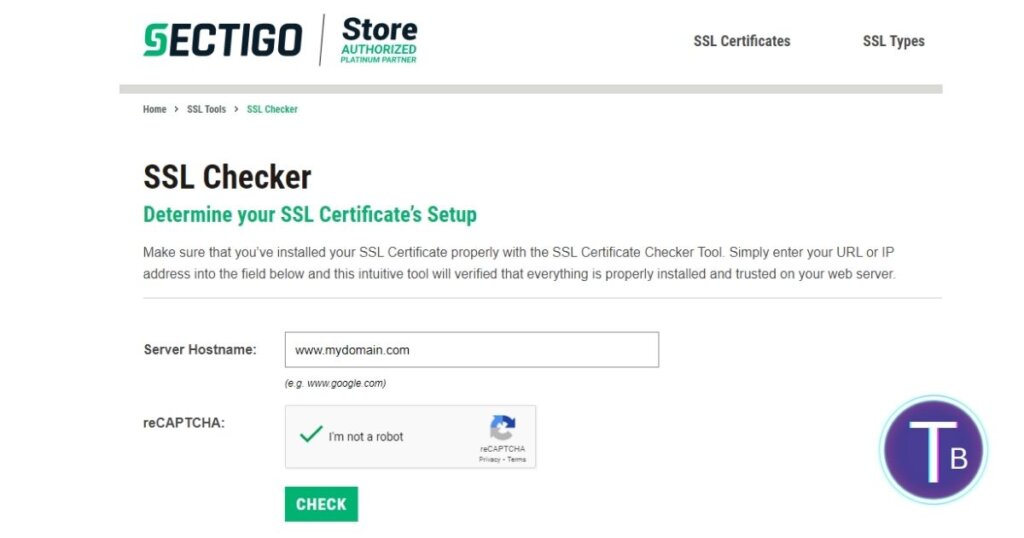
2. Inspect SSL/HTTPS Details
A padlock icon doesn’t automatically mean the site is trustworthy. Check the certificate details:
- Who issued it? Is it tied to the company name?
- When does it expire?
- Does the certificate match the business type (e.g., medical services)?
Personally, I avoid sites offering sensitive services, like radiation therapy equipment repair, if the SSL certificate looks generic or incomplete.
3. Confirm Physical Locations
Legitimate businesses usually list verifiable office addresses. Steps I follow:
- Search the address on Google Maps or use Street View.
- Look for local reviews or business listings.
- Cross-check the business registration database to confirm the office exists.
Personal scenario: If a medical equipment service site doesn’t show clear photos of its actual workplace, I get cautious — and so should you.
4. Use Browser Extensions for Extra Layer of Protection
Tools like WOT (Web of Trust) or Netcraft can flag suspicious domains:
- Identify unusual domain naming patterns.
- Check for historical reputation and phishing warnings.
- Detect unresponsive or rarely visited sites.
I always enable these extensions when exploring .us.com domains because unusual naming or lack of online presence often signals potential scam patterns.
5. Compare Claims vs. Online Presence
Even if everything looks correct technically, check whether the business has:
- Verified reviews or testimonials.
- Certifications or official approvals for medical equipment services.
- Consistent information across different web pages or platforms.
Example: If Sunwin Acceletronics.us.com claims to repair AI-based diagnostic machines but has no verified references or reviews, I treat it as a red flag.
✅ Pro tip: Always combine these steps. Individually, one red flag may not mean a site is fake. But multiple inconsistencies — unverified WHOIS, missing SSL details, unverifiable address, and lack of reviews — are strong indicators to avoid trusting the service.
Final Thoughts
After checking sites like Sunwin Acceletronics.us.com, it’s clear that careful verification is key. WHOIS checks, SSL inspection, address confirmation, and browser tools together help separate legitimate services from suspicious ones. While some new or small businesses might look incomplete online, multiple red flags are worth taking seriously. At the end of the day, being careful online saves you money, stress, and honestly… headaches you don’t need.