

1. Introduction to the Speakercraft OE8
What Makes the OE8 Special
The Speakercraft OE8 delivers clear highs and deep lows, whether indoors or outdoors. It feels premium from the first listen, giving room-filling sound without stressing your amp.
Where It Works Best
- Open patios
- Media rooms
- Larger living spaces
Its design spreads sound evenly, avoiding “too loud here, too soft there” zones.
Who Should Get It
Perfect for anyone wanting detailed audio with a simple setup. Works great with an AV receiver or clean amplifier, especially for backyard zones or home theaters.
Quick Visual Tip:
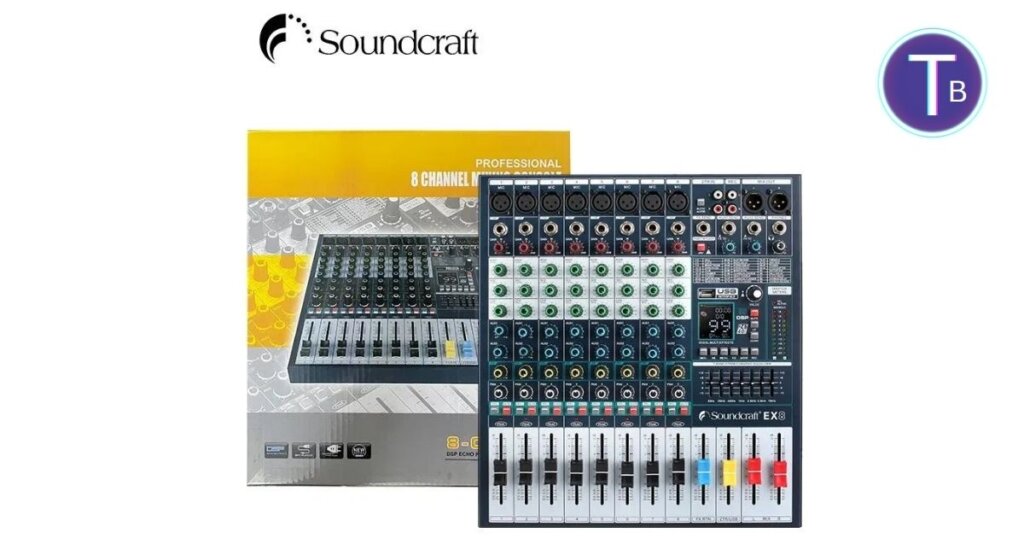
- Add a small patio diagram showing OE8 placement in corners, angled slightly toward the listening area.
Optional Mini Table:
| Feature | OE8 | OE6 |
| Impedance | 4-ohm | 8-ohm |
| Outdoor Ready | ✅ | ✅ |
| Full-Range Sound | ✅ | Partial |
2. Why the Speakercraft OE8 Works So Well With 4-Ohm Systems
Understanding 4-Ohm Speakers
The OE8 uses a 4-ohm load, which draws slightly more power from your receiver. In practice, this gives stronger volume and clearer detail, especially in bigger spaces. Compared to typical 8-ohm outdoor speakers, the sound feels more alive and dynamic.
Receiver Compatibility Matters
Not every receiver can handle 4-ohm speakers comfortably. Some may heat up or limit output. Pairing the OE8 with a capable AV receiver (e.g., Denon X-Series, Yamaha RX-V) ensures smooth highs, tighter bass, and minimal distortion.
Mini Comparison:
| Feature | OE8 (4-ohm) | Typical 8-ohm Outdoor Speaker |
| Power Draw | Higher | Lower |
| Volume Potential | Stronger | Moderate |
| Detail & Clarity | High | Average |
| Receiver Stress | Moderate (requires capable receiver) | Low |
Why 4-Ohm Works in Real Life
The lower impedance keeps the OE8 dynamic at low or high volumes. It allows background music to breathe while giving punchy sound during gatherings—without complicated settings.
Optional Personal Tip: I once swapped my 8-ohm patio speakers with OE8s on a Denon RX-V receiver, and even at low volume, the bass and clarity felt noticeably better.
3. How to Connect Speakercraft OE8 to Any Home Receiver
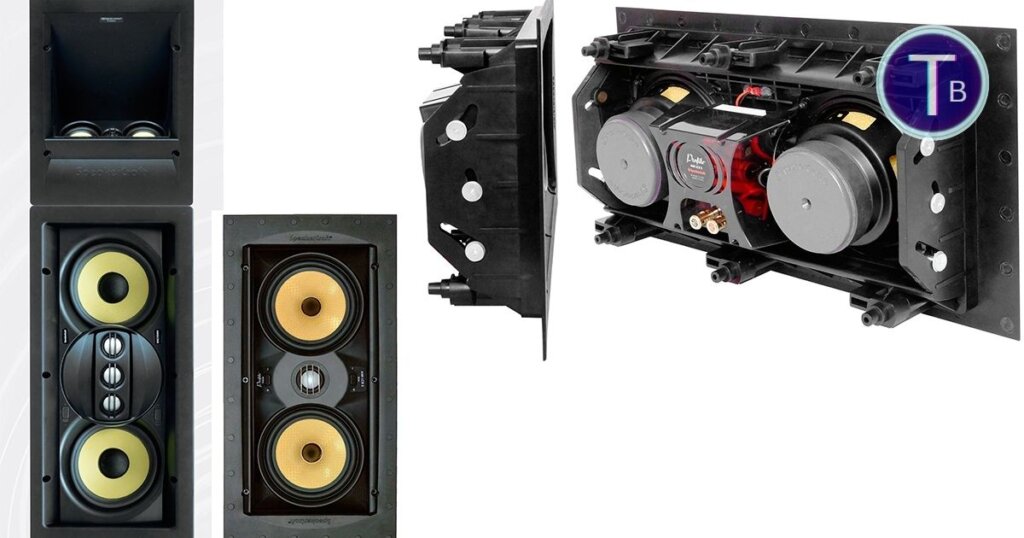
Connecting your OE8 speakers is simple—but a few details make a big difference in performance.
Step 1: Identify Positive (+) and Negative (-)
Most OE8s have clear markings. Pro Tip: Use colored tape to mark wires—especially if running multiple zones—to avoid polarity mistakes.
Common Mistake Visual Tip:
- Connecting wires backward can cause phase issues and weak bass. Consider a small diagram showing correct vs incorrect polarity.
Step 2: Choose the Right Speaker Wire Gauge
- Runs under 50 feet: 16-gauge is fine.
- Longer runs: 14-gauge reduces resistance and avoids volume loss.
Step 3: Connect to Your Receiver
- Ensure your AV receiver supports 4-ohm speakers (Denon X-Series, Yamaha RX-V, etc.).
- Don’t overload a single channel with too many OE8s—this can overheat the receiver.
Visual Suggestion:
- Diagram showing: Receiver → OE8 wires → speaker terminals
Step 4: Test Before Final Placement
- Play a mid-volume track.
- Check for distortion or dropouts.
- If issues occur, double-check polarity and wire connections.
Mini Personal Tip:
I always test each channel first—it saved me hours of troubleshooting when wiring my patio setup.
4. Fixing Common Speakercraft OE8 Connection & Sound Issues
Even with perfect wiring, small hiccups can happen. Here’s how to quickly tackle the most common problems:
1. No Sound
- Check: Receiver channel enabled, volume not muted, OE8 properly connected.
- Tip: A loose wire is often the culprit.
- Mini FAQ: Q: Why is only one speaker silent? → Likely polarity issue or loose wire.
Visual Suggestion: Diagram showing correct speaker connections vs common wiring mistakes.
2. Audio Dropouts
- Cause: Long wire runs or interference.
- Fix: Shorten the run or use shielded speaker wire for outdoor setups.
- Mini FAQ: Q: Why does audio cut out randomly? → Check wires for damage or interference sources.
3. Weak Bass Problem
- Cause: Outdoor spaces often lose low frequencies.
- Fix: Add a subwoofer or adjust receiver crossover settings.
- Mini FAQ: Q: How do I get better bass outdoors? → Position subwoofer near listening zone and set crossover ~80–100Hz.
Visual Suggestion: Diagram showing subwoofer placement relative to OE8s.
4. Receiver Overheating
- Cause: Multiple 4-ohm OE8s on one channel can overload the receiver.
- Fix: Use an external amplifier to distribute the load safely.
- Mini FAQ: Q: Can I run 4 OE8s on one receiver channel? → Only if the receiver supports multiple 4-ohm speakers; otherwise, use an amp.
Mini Personal Tip:
Once, one corner of my backyard OE8s randomly lost sound. A tiny nick in the wire was the culprit—checking connections solved it instantly.
5. Optimizing Speakercraft OE8 Sound with Placement & EQ
Even perfectly connected OE8s need a bit of tuning to really shine.
Speaker Placement Tips
- Angle speakers slightly toward the listening area.
- Avoid walls that cause harsh reflections.
- Elevate about 6–8 feet for best clarity.
Visual Suggestion:
- Diagram showing patio or media room layout with OE8s angled toward listening zones, spacing highlighted.
EQ Tuning
- Boost mids slightly for vocals.
- Adjust bass to complement a subwoofer.
- Avoid maxing treble outdoors; it can sound harsh.
EQ Settings Table (Example):
| Scenario | Bass | Mid | Treble |
| Outdoor Music | +2 | +1 | 0 |
| Outdoor Movie | +3 | +1 | -1 |
| Indoor Listening | +1 | +2 | +1 |
Crossover Settings
- If using a subwoofer, set OE8 crossover around 80–100Hz.
- Ensures smooth low-frequency integration without muddying mids.
Sound Clarity Improvements
- Keep even spacing from listening zones to prevent hot spots or dead zones.
- Works for backyard zones or larger living spaces.
Mini Real-World Tip:
I angled my OE8s slightly downward and added a small 8-inch sub. Outdoor movie nights suddenly sounded like a small theater.
6. Using Subwoofers & Extra Gear for Better OE8 Performance
Sometimes the OE8 alone is great, but a few extras can take your backyard or home theater setup to the next level.
1. Subwoofer Integration
- Adds low-frequency support without distortion.
- Set crossover ~80–100Hz: sub fills lows, OE8 handles mids/highs.
- Mini Tip: I added a small 8-inch sub behind my patio—movie nights sounded cinematic with noticeable, not overpowering bass.
Visual Suggestion: Diagram showing OE8s + subwoofer placement.
2. External Amplifier Support
- Multiple OE8s or multi-zone setups can strain receivers, especially 4-ohm models.
- Adding an external amp:
- Reduces receiver load
- Improves power handling
- Reduces distortion at high volumes
Mini FAQ: Do I really need an external amp? → If running 2–3+ OE8s per zone, an amp is usually recommended.
3. Fine-Tuning with Extra Gear
- Adjust AV receiver levels, EQ, and crossover per channel.
- Optimize signal chain: Receiver → Amp → OE8s → Subwoofer.
- Bad cables can reduce clarity or cause dropouts.
Real-World Tip: I once ran a backyard zone with only OE8s—adding a sub + small amp made sound fuller and consistent, even outdoors.
4. Why This Matters
- Large spaces or outdoor areas can wash out highs and lows.
- Proper subwoofer integration + external amp ensures consistent sound clarity for music, movies, or parties.
7. Real-World Speakercraft OE8 Setup Example
Let’s see the theory in action with a backyard patio setup.
1. Layout
- Speakers: 4 OE8s at the corners of a rectangular patio.
- Receiver: Denon AV receiver handling a 4-ohm load.
- Subwoofer: Small 8-inch sub in a corner near the main listening area.
- Amplifier: Optional external amp powering two speakers to reduce receiver load.
Tip: Elevate OE8s 6–8 feet and angle toward the main listening zone for even coverage.
Visual Suggestion:
- Illustrated patio diagram showing speaker + subwoofer placement with angles toward listening zones.
2. Wiring & Connections
- 16-gauge wire for runs <50 ft; 14-gauge for longer runs.
- Clearly mark polarity (+/-).
- Connect OE8s to the receiver first, then test each channel before adding subwoofer/amp.
Mini Tip: Test channels individually with a favorite track to quickly spot wiring or polarity issues.
3. Receiver & EQ Settings
- Subwoofer crossover ~80Hz.
- Boost mids slightly for vocals; adjust bass to blend with the sub.
- Balance volume across zones to avoid loud/quiet spots.
4. Multi-Zone Integration
- For patios + garden zones, 1–2 OE8s per zone works well.
- External amp ensures consistent sound without overloading the receiver.
5. Real Results (Before & After)
- Before: Music sounded uneven, bass weak in corners, outdoor movies lacked punch.
- After: Crisp music, cinematic outdoor movies, no distortion at high volume.
- Weak bass eliminated by subwoofer; clarity maintained across all listening areas.
8. Quick Speakercraft OE8 Troubleshooting Checklist
| Problem | Solution | Tip / Mini Note |
| No Sound | – Check speaker wire polarity (+/-) – Ensure OE8 connected to receiver/amp – Verify channel enabled & volume not muted | Use colored tape on wires to save time in multi-zone setups |
| Weak / Missing Bass | – Check AV receiver crossover – Ensure subwoofer connected & powered – Adjust EQ levels | Outdoor setups often need a slight bass boost |
| Distortion / Crackling | – Don’t exceed 4-ohm load – Use correct wire gauge (14–16 AWG) – Check all signal chain connections | Even a small nick in wire can cause crackling |
| Volume Fluctuations | – Inspect receiver auto-volume/zone settings – Balance multi-zone levels – Check for interference in long wire runs | Walk through each zone while playing audio |
| Overheating Receiver | – Limit number of OE8s per channel – Add external amplifier if needed – Ensure proper ventilation | Distribute load across receiver + amp for multi-zone setups |
| Quick “Test Track” | – Play track with mids, bass, highs – Walk through listening area | Ensures even, clear, distortion-free sound |
Visual Suggestions:
- Include wiring diagrams showing correct vs incorrect polarity/connections.
- Optional: small icons or color-coded highlights for common mistakes.
FAQs About Speakercraft OE8 Setup
1. Can OE8s be used indoors only?
Yes! While the OE8 is designed for outdoor durability, it works beautifully indoors in media rooms, living spaces, or home theaters. Proper placement and EQ tuning ensure clear, full-range sound without distortion.
2. How far can I run OE8s from the receiver?
- For short runs (<50 ft): 16-gauge wire is sufficient.
- For longer runs (>50 ft): 14-gauge wire reduces resistance and avoids volume loss.
- Tip: Always mark speaker polarity (+/-) to prevent phase issues, especially in multi-zone setups.
3. Do I need weatherproofing for outdoor use?
OE8s are built for outdoor durability, but:
- Avoid direct exposure to rain or snow.
- Covered patios, decks, or walls are ideal.
- Tip: Small protective covers or enclosures can extend speaker life without affecting sound.