

1️⃣ What “Scamiikely” Actually Means
Honestly, “Scamiikely” is one of those words that just clicks the moment you hear it. It’s not saying something is a scam… but it’s definitely giving off that scam-like vibe that makes your gut whisper, “hmm… double-check this.” I’ve personally noticed that most online scam situations start exactly like this — a moment that feels normal until you look a bit closer.
So basically, “Scamiikely” means high-risk behaviour spotted, even if nothing is proven yet. It’s like when you get a phishing message, a suspicious link, or a too-good-to-be-true offer, and your brain goes, “wait, something’s off.” That single moment is what this whole idea captures.
A lot of things online look clean on the surface — nice design, friendly tone, maybe even fake reviews that seem believable — but the trust signals are missing. No proper contact info, no secure browsing (HTTPS, SSL), weird payment requests, or just that subtle online deception energy. And the truth? Most people ignore these because we’re used to quick clicks and instant replies.
Here’s the safe mindset I recommend:
Treat anything “Scamiikely” as a possible scam until verified.
Not in a paranoid way — just a smart, modern digital safety habit. Think of it the same way Google does:
“We saw the content, but we don’t trust it enough yet.”
And honestly, that’s how you avoid 90% of cyber-scams, social engineering, and weird, shady scam-like content. A tiny pause, a bit of verify-before-you-trust, and half the danger disappears.
This term helps you stay aware, calm, and sharp — exactly what you need in a world full of suspicious emails, fake job postings, and random “you’ve won!” notifications all fighting for your attention.
2️⃣ Key Red Flags to Watch For

When you encounter something scamiikely, your eyes and gut are your first line of defense. Certain key red flags show up repeatedly in online scams, cyber-scams, and scamiikely situations. Recognizing these early can save you from trouble.
1. Unrealistic Promises
If an offer feels too cheap, too fast, or too guaranteed, it’s a major scamiikely warning. This includes “you’ve won” scams, fake job postings, or crypto/gift card payment scams. They often use urgency tactics and pressure tactics to bypass your gut feeling / intuition.
2. Poor Website Structure
Sites that look messy — broken links, copied design, or low-quality pages — are classic scamiikely content. Missing trust signals, like secure browsing (HTTPS, SSL) or a professional layout, is a huge red flag. Even if it seems normal, it’s often scam-like behavior online.
3. Missing Contact or Business Info
Legitimate businesses always provide contact details. If a website lacks clear contact info, refund policy, or business registration, that’s a scamiikely sign. Many fake profiles and reviews try to cover these gaps, but noticing them early keeps you safe.
4. Urgency & Pressure
Phrases like “Only 1 left!” or “Offer expires in 5 minutes!” are classic scamiikely tactics. They push users to act without thinking, a common social engineering method in online deception and suspicious links.
5. Duplicate or Thin Content Signals
Sometimes sites appear “fine,” but copied content, repeated stock images, or recycled reviews are all scamiikely warning signals. Think of them like duplicate content alerts for humans — a subtle hint that something is off.
✅ Pro Tip: Keep a scam red flags checklist for every suspicious site or offer. By training yourself to spot scamiikely behavior, you strengthen your digital safety, internet user protection, and safe online behaviour.
3️⃣ Scam vs. Real: Quick Comparison
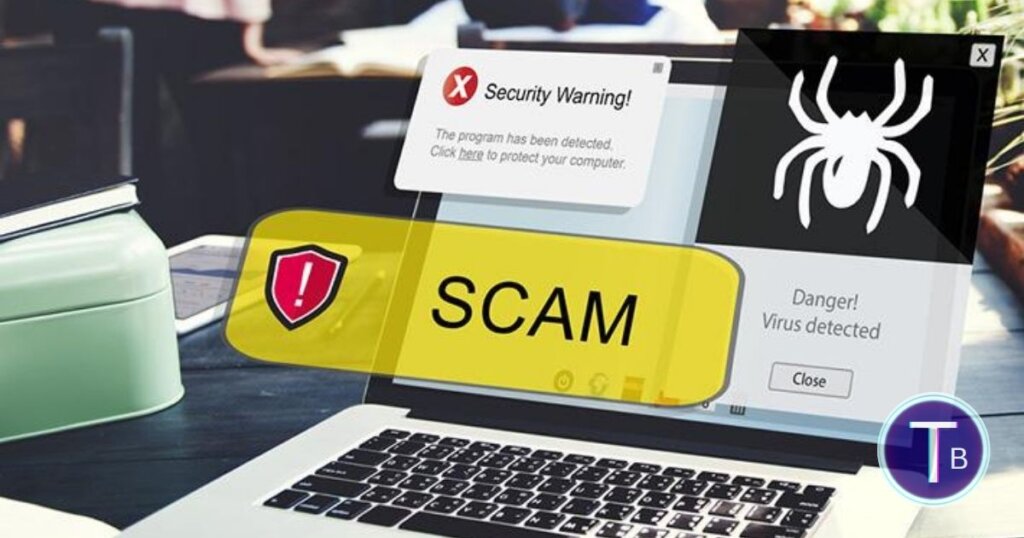
Understanding scamiikely often comes down to spotting the difference between real, trustworthy sites and ones that just look okay. Think of it like how Google compares high-value vs. low-value pages — there are signals you can notice as a human.
1. Consistency vs. Uncertainty
- Real: All details match — verified phone numbers, consistent info, and stable communication.
- Scamiikely: Info keeps changing, grammar is sloppy, or promises are vague. This is a common scam red flag, showing online deception or thin-content signals.
2. Digital Footprint & External Trust
- Real: Solid reviews, authentic profiles, and a clear history.
- Scamiikely: Almost no digital footprint or fake testimonials. Often you’ll notice suspicious emails, fake profiles, or scam-like content designed to trick users.
3. Pricing Transparency
- Real: Prices are clear, stable, and easy to verify.
- Scamiikely: Pricing is hidden, keeps shifting, or includes unusual payment requests. This is common in too-good-to-be-true offers and crypto/gift card scams.
4. The Gut Test
Even if everything looks polished, a scamiikely feeling often signals danger. That gut feeling / intuition is your first cyber-scams warning system, helping with digital safety, internet user protection, and identity protection.
✅ Pro Tip: Treat anything scamiikely as a “possible scam until verified.” Compare the site against these scam red flags checklist items before clicking links, sharing info, or making a payment. This quick comparison saves time and prevents headaches.
4️⃣ Why Even Smart People Fall for Scams
Here’s the thing — even the smartest, most internet-savvy people can get caught by scamiikely situations. It’s not about being careless; scammers and cyber-scams are designed to hijack your brain in ways similar to how low-value content tricks search algorithms.
1. Emotional Triggers
Scammers know how to push buttons — excitement, greed, or curiosity. Just like thin-content signals can fool Google into thinking a page is valuable, too-good-to-be-true offers fool our brains into ignoring risk. You see a promise of easy money or instant rewards, and suddenly your gut feeling / intuition takes a back seat.
2. Rush & Urgency
Our brains jump straight to the “reward” and ignore the risk when there’s pressure: “Offer expires in 5 minutes!” or “Only 1 left!”. These urgency tactics are classic in scamiikely scenarios. FOMO — fear of missing out — makes even careful users act impulsively, clicking suspicious links or giving info to a fake profile.
3. Familiar Design = False Trust
We subconsciously trust what looks familiar. A site that mimics legit layouts, has fake reviews, or a professional design can give a false sense of safety. This is exactly why scamiikely content often succeeds: it tricks your brain into thinking the website or offer is legitimate, even when trust signals are missing.
✅ Pro Tip: Recognize that being smart doesn’t make you immune. Awareness of scamiikely red flags, online deception, and suspicious emails is what actually protects you. Every time your gut feeling / intuition nudges you, pause and verify before you trust.
5️⃣ How to Verify Before You Trust
Dealing with something scamiikely? The first step is verification — just like Google checks content uniqueness and trust signals, you need to do the same for online offers, websites, and profiles. A few smart checks can save you from cyber-scams, online deception, and suspicious links.
1. Search for Reviews & Complaints
Type the business or website name with words like “reviews”, “complaints”, or “scam”. Genuine businesses usually have a digital footprint, while scamiikely sites often lack credible feedback or show fake reviews.
2. Reverse Image & Logo Search
Use tools like reverse image search to check logos, profile pictures, or email IDs. Many scamiikely accounts use stolen or stock images to appear legitimate. This is a classic scam detection technique that protects your identity and internet safety.
3. Confirm Contact Numbers
Verify phone numbers or customer service lines through official sources. A lack of verifiable contact info is a strong scamiikely red flag. Legit businesses want to be reachable; scammers hide.
4. Check Website Age, SSL & Social Presence
- Look at domain age and history — brand-new sites with no track record can be scamiikely.
- Ensure secure browsing (HTTPS, SSL) is active.
- Check social media profiles; legit brands usually have consistent presence, while scamiikely pages often don’t.
5. Think of It as a “Content Uniqueness Check”
Just like Google flags duplicate or thin content, your verification process spots scamiikely behavior before you interact. This protects against phishing messages, fake job postings, and too-good-to-be-true offers.
✅ Pro Tip: Make these verification steps a habit. Every suspicious link, email, or website should pass your scam red flags checklist before you trust it. This is how you build a scam-aware mindset and stay safe online.
6️⃣ Simple Steps to Protect Yourself
When dealing with anything scamiikely, prevention is better than cure. These simple, practical steps help protect against online scams, cyber-scams, and suspicious links. Think of it as strengthening your personal technical quality signals — just like Google rewards trustworthy websites.
1. Never Pay in Advance Without Confirmation
If a site, job posting, or offer asks for payment upfront, treat it as scamiikely. Always verify first. Scammers often use too-good-to-be-true offers or unusual payment requests to trick people.
2. Avoid Links from Unknown Sources
Emails or SMS from unknown senders often contain phishing messages or scamiikely links. Don’t click anything until you’ve verified before you trust.
3. Use a Separate Email for Risky Sites
Create a dedicated email for subscriptions or accounts that feel scamiikely. This keeps your main email safe from data breaches, spam, and identity theft.
4. Enable Two-Factor Authentication (2FA)
2FA adds an extra layer of protection against scamiikely account hacks. Even if your credentials are stolen, scammers can’t access your accounts easily.
5. Treat It Like Strengthening Technical Quality Signals
Just as Google rewards websites with high technical quality signals, you can boost your personal security by following these steps. Checking SSL, using secure payment gateways, and verifying contacts are all part of a scam-aware approach.
✅ Pro Tip: Make these habits automatic. Every scamiikely situation you encounter becomes less risky when you combine scam detection, safe online behaviour, and digital literacy.
7️⃣ Essential Tools for Scam Detection
When a situation feels scamiikely, having the right tools can make all the difference. Think of these as your digital safety toolkit — like using SEO tools to check for duplicate or thin content, but for spotting online scams and suspicious links.
1. WHOIS Lookup – Check Website Age
A brand-new domain with no history is a major scamiikely warning. WHOIS lookup helps you confirm how long a site has been around and whether it’s worth trusting. Combined with SSL checks, it’s an easy way to spot scam-like content.
2. VirusTotal – Scan Suspicious Links
Before clicking any link from email, SMS, or scamiikely offers, scan it on VirusTotal. It checks for malware, phishing, and other cyber-scams, keeping your identity and data protection intact.
3. ScamAdvisor / TrustPilot – Reputation Check
Tools like ScamAdvisor or TrustPilot help you verify digital footprint, reviews, and business history. A site without credible reviews or with fake testimonials is likely scamiikely.
4. Reverse Image Search – Detect Fake Profiles
Many scamiikely accounts or fake job postings use stock or stolen images. Reverse image search helps detect fake profiles and protects you from social engineering attacks.
5. Treat Tools Like SEO Quality Checks
Just like SEO professionals check for duplicate or thin content, these tools help you verify online content and websites. Using them regularly makes you more scam-aware, strengthens digital literacy, and improves your safe online behaviour.
✅ Pro Tip: Combine these tools with your scam red flags checklist. Every scamiikely situation becomes easier to spot when you use verification tools consistently.
8️⃣ Trust Your Gut — The Psychology Behind It
When dealing with anything scamiikely, your first and often most reliable tool is your gut. Honestly, intuition isn’t magic — it’s your brain noticing patterns faster than your conscious mind can process, especially when it comes to online scams, phishing messages, or suspicious links.
1. Pause When Something Feels Off
If a website, message, or offer triggers even a tiny “something’s wrong” feeling, stop. That scamiikely signal is your brain detecting inconsistencies, missing trust signals, or vague promises — the same way Google flags low-value or duplicate content.
2. Recognize Confusion and Pressure
Feeling rushed, confused, or pressured? That’s a guaranteed red flag. Scammers rely on urgency tactics, pressure tactics, and too-good-to-be-true offers to make you act before you think. Your gut is warning you that this is a scamiikely scenario.
3. Treat Doubt as a Strength
Doubt is not weakness — it’s a protective tool. Every time your intuition flags a website, email, or profile as scamiikely, take it seriously. Pause, verify, and use your scam detection tools before interacting.
4. Connect Psychology with Action
Your brain is wired to protect you. By listening to it, combining digital literacy, safe online behaviour, and scam red flags checklist, you strengthen your identity protection, internet user protection, and overall cyber-safety.
✅ Pro Tip: Treat your gut as an early warning system. Every scamiikely feeling is an opportunity to prevent fraud, avoid fake profiles, and stay safe online.
9️⃣ Final Thoughts & Safety Checklist
Wrapping up, dealing with anything scamiikely is all about awareness, verification, and taking small precautions consistently. Think of it like fixing warning signs before making any move — the same principle Google uses for high-value content applies to your digital safety.
Safety Checklist for Scamiikely Situations
- Never trust deals without external proof
Look for independent reviews, complaints, or credible digital footprints. If verification is missing, treat the offer as scamiikely. - Verify identity before payment
Confirm business contacts, social media profiles, or phone numbers. Unusual payment requests or fake profiles are classic scamiikely red flags. - Cross-check reviews and business history
Use tools like ScamAdvisor, TrustPilot, or WHOIS lookup to check website reputation and age. Lack of transparency often signals scamiikely content. - Don’t ignore red flags
Even if only one scamiikely warning appears — like broken links, vague promises, or urgency pressure — pause. Every single red flag matters. - Bookmark safety tools
Keep handy your reverse image search, VirusTotal, and verification tools for quick checks. These make spotting online scams, phishing messages, and suspicious links much easier.
✅ Pro Tip: Treat every scamiikely situation as a possible scam until verified. By following this scam detection checklist, you strengthen your digital literacy, internet user protection, and overall safe online behaviour.