
Introduction
When it comes to reimagining architecture in the digital age, Daniel R Locke Virtual AIA is leading the charge. He doesn’t just draw buildings—he creates experiences. Using tools like 3D modeling, VR walkthroughs, and immersive simulations, Locke allows clients to step into their future spaces before construction even begins. His approach blends creativity with AI-driven design and collaborative digital platforms, making the design process smoother, faster, and more interactive. By focusing on emotion, sustainability, and storytelling, Daniel R Locke Virtual AIA proves that architecture can be both functional and deeply personal. It’s architecture, redefined for the modern world.
The Rise of Virtual Architecture
Daniel R Locke Virtual AIA Leading the Change
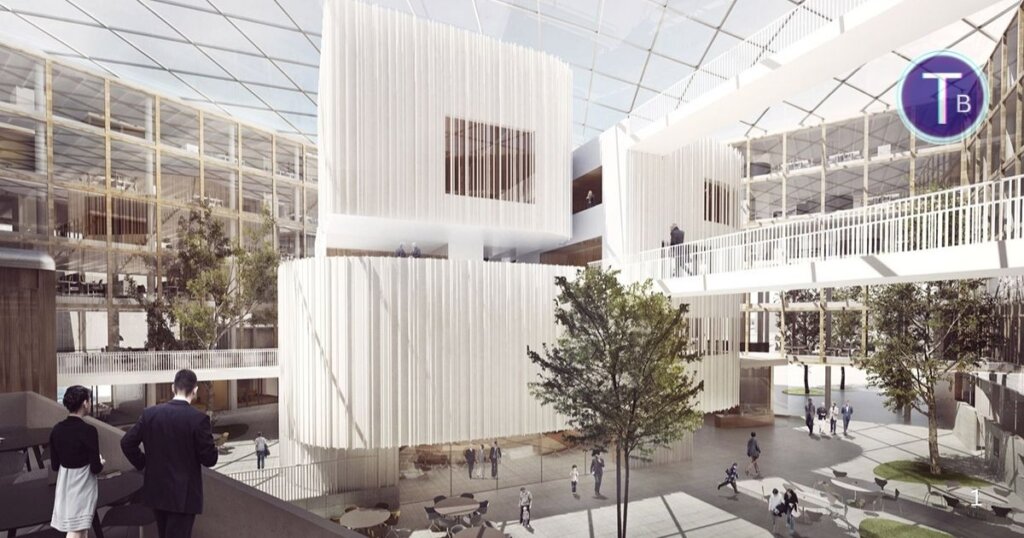
Okay, so architecture is changing fast. You know, like really fast. And Daniel R Locke Virtual AIA is kinda leading that change. With 3D modeling and VR walkthroughs, designs turn into experiences you can explore. It’s amazing how immersive it feels — you can get a real sense of a space before it’s built, and clients really enjoy it.
Lessons from Daniel R Locke on Virtual AIA
One thing I really notice about Daniel R Locke on Virtual AIA is he doesn’t use tech just for show. Nope. He uses it so you can actually explore layouts, lighting, and flow. Way better than staring at a flat 2D blueprint, right?
It also makes the process kinda smoother. Fewer mistakes, faster decisions, and everyone’s kinda on the same page. I usually tell people—once you try this, old-school paper just feels… limited.
From Daniel R Locke on Virtual AIA: The Future of Design
Looking from Daniel R Locke on Virtual AIA, virtual architecture isn’t some trend. Honestly, it’s becoming the norm. Digital twins, AI-powered design, and AR let architects play with ideas and tweak things long before construction even starts.
Locke’s Unique Approach
Designing Experiences with Daniel R Locke Virtual AIA

Honestly, Daniel R Locke Virtual AIA doesn’t just sketch buildings. He kinda designs experiences. Walking through a design shows you the flow, the feel, the vibe. He combines 3D modeling, VR, and interactive tech so clients can actually “step inside” before it’s real. I usually think… wow, this really changes the game.
Storytelling in Architecture: Lessons from Daniel R Locke on Virtual AIA
One thing I really like about Daniel R Locke on Virtual AIA is how he uses storytelling. A library? Not just shelves and tables. He adds winding corridors, cozy nooks… it’s like the space itself has a narrative.
With immersive design experiences and client-focused architectural visualization, people actually connect with the space. Honestly, that little human touch makes all the difference.
Eco-Conscious and Collaborative Design
From Daniel R Locke on Virtual AIA, sustainability isn’t optional—it’s a must. Virtual Simulations cut waste. Remote tools keep everyone in sync. AI + digital twins + virtual collab = creative, efficient, eco-friendly projects. Smooth, easy, amazing.
Innovation as a Standard
Locke’s approach proves Virtual AIA isn’t just a cool idea—it’s the future. With augmented reality, predictive analytics, and smart building systems, he’s pushing digital architecture to new limits. It’s exciting — the future of design isn’t just walls anymore. It’s experiences, technology, and creativity all working together.
Experiencing Architecture Virtually
Step Inside with Daniel R Locke Virtual AIA
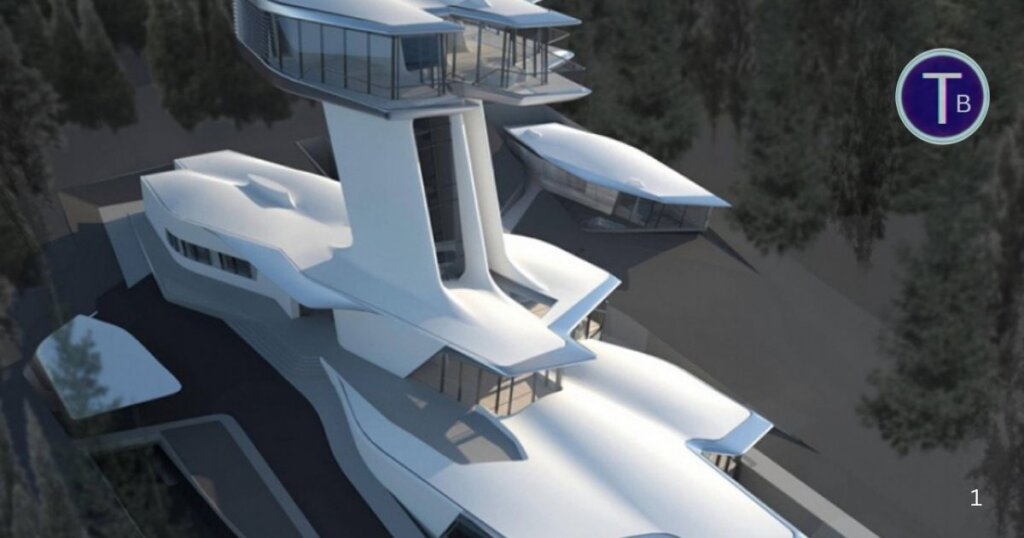
With Daniel R Locke Virtual AIA, clients don’t just imagine their future space — they can walk through it virtually. VR walkthroughs and interactive 3D models let them explore every corner in real time, helping them make confident decisions and avoid costly mistakes before construction starts.
Insights from Daniel R Locke on Virtual AIA
Daniel R Locke on Virtual AIA emphasizes that virtual architecture allows architects to communicate ideas clearly. Light, space, and flow can be experienced digitally, making revisions easier and collaboration more effective.
Tools like AI-driven simulations and digital visualization platforms ensure every detail is precise and aligned with the client’s vision.
From Daniel R Locke on Virtual AIA: Real-World Applications
From Daniel R Locke on Virtual AIA, this approach works across homes, offices, and public projects. Preview layouts, optimize workflows, visualize spaces. AR + immersive design = projects that are interactive, transparent, and engaging.
The Benefits of Virtual Experience
Experiencing architecture virtually saves time, reduces errors, and fosters creativity. Clients feel more involved, architects can experiment freely, and sustainability improves with fewer physical prototypes.
Daniel R Locke Virtual AIA proves that when technology meets creativity, architecture becomes more than a structure—it becomes a lived experience.
Collaboration in the Digital Age
Virtual Teamwork with Daniel R Locke Virtual AIA
With Daniel R Locke Virtual AIA, collaboration isn’t just meetings and emails. Nope. Everyone can jump into virtual rooms, explore designs, and make changes together in real time.
It’s kinda like playing a game, but the goal is your dream building. Honestly, I love seeing clients and architects tweak things together—it’s way more fun and productive than endless calls.
Breaking Down Distance
Distance? Doesn’t matter. Daniel R Locke on Virtual AIA lets teams across New York, Tokyo, or Sydney work seamlessly. Virtual tools make geography almost invisible.
Remote virtual collaboration and interactive design platforms keep everyone connected. No one feels left out, and projects move faster.
Efficiency and Transparency
One thing I notice with Daniel R Locke on Virtual AIA—everything’s just clearer. You see changes instantly, feedback loops are shorter, and clients understand exactly what’s happening.
Using AI-assisted design and digital twin simulations, mistakes drop, revisions happen quicker, and the whole process feels… smooth. I usually think, why didn’t everyone do this before?
Empowering Everyone Involved
The coolest part? Everyone feels empowered. Clients, architects, contractors—they all get a voice. When visualization puts the client first, decisions are easier, and the finished space actually matches what people need.
Challenges and Skepticism
Traditional Minds vs. Daniel R Locke Virtual AIA
Not everyone jumps on new tech right away. Some people just can’t give up pen-and-paper sketches. There’s something really nostalgic and satisfying about them. But Daniel R Locke Virtual AIA has to show them that virtual architecture isn’t just flashy—it actually works.
With VR walkthroughs and immersive design, he proves it enhances understanding rather than replacing the human touch. Honestly, seeing it in action usually changes minds.
Overcoming Hesitation in Virtual Architecture
Daniel R Locke on Virtual AIA makes the shift easier. Clients walk through 3D models, explore lighting, flow, and spaces—they see it before it’s built.
Combining interactive 3D modeling with client-focused architectural visualization, he reduces uncertainty. People start trusting virtual workflows a lot faster. I usually notice that once someone experiences it, skepticism fades.
Technical and Accessibility Challenges
Virtual architecture does need the right tools—software, hardware, maybe a VR headset. Some clients aren’t familiar with all that. But Daniel R Locke on Virtual AIA provides guidance and training so no one feels left behind.
Using augmented reality, digital twin simulations, and easy-to-use interfaces, Locke makes sure technology helps collaboration instead of creating headaches.
The Long-Term Outlook
Even with early doubts, the advantages speak for themselves. Daniel R Locke Virtual AIA shows that once teams experience clarity, efficiency, and immersive visualization, adoption becomes natural.
The Future of Architecture with Virtual AIA
Daniel R Locke Virtual AIA Leading Innovation
The future of architecture? Totally digital. And Daniel R Locke Virtual AIA is kinda leading the charge. Virtual design + AI + immersive simulations = rethink projects. Spaces need feeling, connection, and eco-friendliness. Exciting stuff.
Emerging Trends from Daniel R Locke on Virtual AIA
Some trends are just too cool to ignore. Daniel R Locke on Virtual AIA highlights stuff like AI-powered design optimization, digital twin tech, and augmented reality planning.
Architects can test ideas virtually, predict results, and clients? They get to make smarter decisions. Less time wasted, fewer surprises, and honestly, it makes the whole process feel smoother.
From Daniel R Locke on Virtual AIA: Smarter, Sustainable Design
Sustainability isn’t optional anymore. From Daniel R Locke on Virtual AIA, virtual modeling cuts waste, reduces unnecessary site visits, and encourages eco-friendly materials.
Add in smart building systems, predictive analytics, and energy-efficient simulations, and architects can create modern, green solutions. I usually think, it’s kinda amazing how tech helps us care for the planet while building better spaces.
Global Collaboration and Accessibility
Distance? Not a problem anymore. Daniel R Locke Virtual AIA makes global collaboration seamless. Teams, clients—they can all jump into the project virtually, no matter where they are.
Remote collab + VR + digital project tools = projects on track, innovation flowing, everyone involved. Future = here.
Client Benefits and Impact
Clarity Before Construction
With Daniel R Locke Virtual AIA, clients actually see their project before a single brick is laid. 3D walkthroughs and interactive VR models let people explore spaces, lighting, and layout. It’s a game-changer — clients no longer have to guess how a kitchen or office will feel and can feel confident from day one.
Time and Cost Savings
One thing I notice? Projects move faster. Daniel R Locke on Virtual AIA helps reduce revisions, cut down on mistakes, and save money.
I’ve seen it in action — architects using digital twins and AI can adjust everything virtually. I’ve seen it over and over — clients love the outcome: stress-free experience, lower expenses, and a crystal-clear understanding of their project.
Enhanced Collaboration and Communication
I love this part — clients aren’t just spectators. Remote collaboration and client-focused visualization make them part of the team, letting them give feedback as the design evolves.
Everyone feels heard. Architects, contractors, clients = smoother, more satisfying process.
Sustainable and Smart Design Choices
Beyond practicality, virtual architecture supports eco-friendly decisions. Daniel R Locke Virtual AIA uses predictive analytics, energy-efficient simulations, and smart building systems to guide sustainable choices.
conclusion
So, here’s the thing… Daniel R Locke Virtual AIA isn’t just some fancy title or a piece of paper. Nope. It’s kinda like a whole new way to think about architecture. You know how normally you look at a blueprint and just… squint, trying to imagine stuff? Well, this is different. With 3D modeling, VR walkthroughs, and all those immersive simulations, you actually feel the space. It’s not just walls and ceilings—it’s stories, little moments, emotions… all wrapped up in one building.
And the tech? Wow. AI-driven design, digital twin simulations, augmented reality planning… they make life so much easier. Collaboration? Way smoother. Designs? Smarter. Buildings? More eco-friendly. I’ve seen clients get it immediately—just walking through a virtual model changes everything.