I remember when I first
wanted to start programming, the first question that came to my mind was:
“Where to start?” I could not understand any guide, nor technical
terms. Imagine if you are standing on a road where there are 10 roads, but
there is no sign board. Exactly the same confusion arises when you start
programming from scratch.
🧠 First of all: What is Programming?
Imagine if you learn to give instructions to a computer, and it does all your work as per your wish –
this is programming. Programming is a language which facilitates us for
interaction with computer systems.
I think it is important for beginners to understand that programming does not mean just writing coding
lines. It is a way to solve problems.
📚 Step 1: Choose an easy programming language
When I started, I tried to understand C++ and Java – and gave up after 2 weeks. Later I understood that I
should start with Python or JavaScript.
Recommended
Beginner-Friendly Languages:
- Python – simple and
readable - JavaScript – for web
development - Scratch – for kids and
visual learners
Imagine if you are learning English and start with Shakespeare – the same mistake beginners make in coding.
Step 2: Set a clear goal: Why do you want to learn?
When I asked this question to myself, it was clear to me that I like to build websites and apps. You too
decide whether:
- Do you want to pursue web
development? - Or do you want to build
apps? - Or do you want to explore
data science?
A clear goal will give you direction. Without goal, you will just keep watching tutorials and get zero
result.
📺 Step 3: Use Free Resources – Smart Learning
YouTube and free platforms have personally helped me a lot. It is best to gain basic knowledge for free
before enrolling in paid courses.
Best Free Platforms:
- freeCodeCamp.org
- Codecademy Free Plan
- W3Schools
[YouTube Channels – Programming with Mosh, BroCode, etc.]
I started learning HTML, CSS and JavaScript from freeCodeCamp – absolutely from scratch.

🧪 Step 4: Practice Daily – Without practice, coding
does not come
Imagine if you only watch swimming videos but never go to the pool – will you learn swimming? Same logic
applies to coding.
I started the 100 days of code challenge – practicing a little bit every day. You too should start
solving small problems:
- Codewars.com
- HackerRank
- LeetCode (basic level)
- Relying only on theory
without practice is a waste of time.
💡 Step 5: Start making projects
I feel that you enjoy programming only when you create a solution to a real-life problem yourself.
Projects build your confidence.
Simple Projects Ideas:
- To-Do List App (HTML, CSS,
JS) - Calculator in Python
- Portfolio Website
- BMI Calculator
- Weather App using API
- I remember when my first
to-do list app was completed, I was happy for 2 days 😄
🌐 Step 6: Upload your code on GitHub
Create a GitHub account and store your code there. This is important for your portfolio.
Imagine if you are applying for a job or internship and show your real code to the recruiter — it instantly
makes an impression.

👥 Step 7: Join the Community – Don’t Learn Alone
I joined coding communities on Twitter and Discord. Each morning there was a new lesson to learn.
You can also join:
- Reddit: r/learn programming
- Discord: freeCodeCamp
community - Facebook/WhatsApp
Programming Groups - When you see other people’s
solutions, the coding perspective becomes broader.
🎯 Step 8: Take a Structured Paid Course (Optional)
Once you understand the basics, taking a paid course is helpful. But only when you are ready.
Popular Paid Courses:
- Udemy – Web Development
Bootcamp - Coursera – Python
Specialization - edX – Harvard CS50 (Free
too with cert option) - I took a complete bootcamp
for Web Development from Udemy – worth every USDT!
🧾 Final Words – Starting Programming is not difficult, just need direction
I think if you have the right intention, clear plan and dedicate 1 hour daily, you can become a solid
programmer in just 3–4 months.
Imagine if you create your
own website, app or automation tool in 2025 – how powerful you will feel. Just
have to get started.
Want to boost your tech knowledge? Everything is ready on Techeasely’s homepage.
“If you want to learn to program AI, it’s important to first understand AI.”
🎤 FAQs – Questions of people starting programming from Scratch
Q1: Is it necessary to have a laptop to start programming?
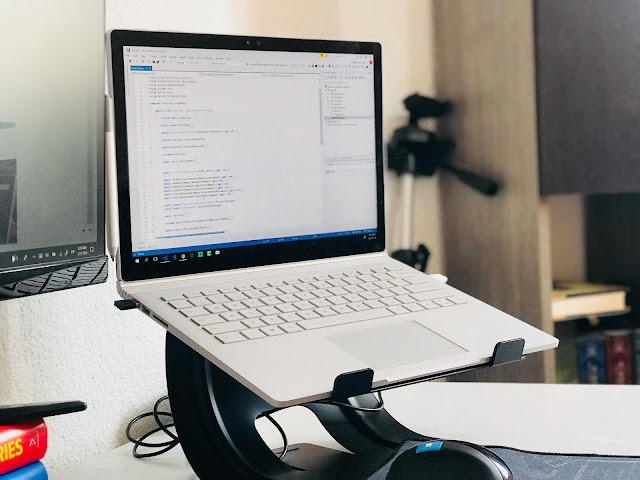
Yes, a basic laptop with internet and a code editor installed is enough. There is no requirement for a high-end machine.
Q2: Can school/college students learn programming?
Absolutely! I also started learning along with college. You can easily start by taking out 1 hour daily.
Q3: Which programming language should I learn first?
Python, in my opinion, is the best for this reason its clear syntax and readable code, which are ideal for beginners.
Q4: Is it necessary to take a paid course?
Not at all for starters. You can learn a lot from platforms like freeCodeCamp, YouTube.
Q5: When should I start making projects?
When you understand the basics like variables, loops and functions, then you should start small projects.
Q6: Is programming only for coding jobs?
No. You can also use programming for automation, freelancing, startup idea and research.
Q7: Is programming difficult if English is weak?
No, most of the programming is based on logic and patterns. You can gradually improve.